
דילוג לתוכן המרכזי
OUR STORY / EDITORIAL EXPERIENCE

THE MOZES STORY.הסיפור שלנו

לא כל סיפור מתחיל בחוק.

סיפור על מסע אישי, חשיבה משפטית, מחקר, שני קולות שהתחברו, ושיטה שבמרכזה האדם.

LAW · RESEARCH · HUMANITY
סמל הפירמה ד״ר מוזס כרמל
NOT JUST A CASE.
A HUMAN STORY.
CHAPTERS / 01–08

שמונה גלויות. סיפור אחד.

החליקו בין הגלויות או השתמשו בחצים. לחצו על גלויה כדי לקרוא את הפרק בעברית ובאנגלית.

  1. THE MOZES STORY 01 / 08
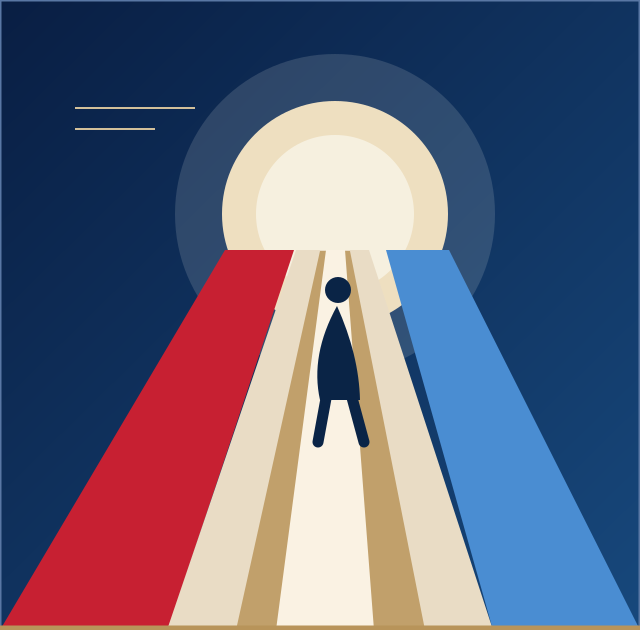
    THE HUMAN AT THE CENTER

    לפני כל תיק יש אדם.

    Before the case, the person.

    חלום, החלטה, שאלה או התחלה חדשה. כך אנחנו בוחרים להתחיל את הסיפור.

  2. THE MOZES STORY 02 / 08
    ISRAEL × UNITED STATES

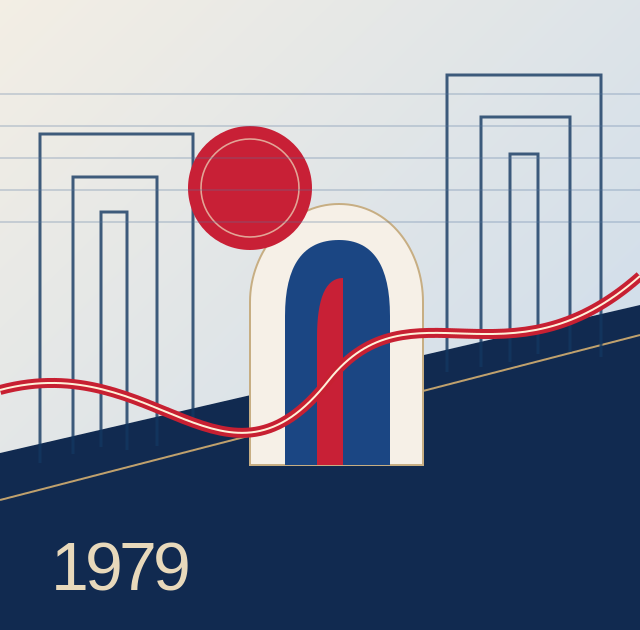
    המסע שהתחיל ב־1979.

    A journey across two worlds.

    ד״ר מוזס־כרמל היגר עם משפחתו מישראל לארה״ב. החוויה הפכה לחלק מנקודת המבט שלו.

  3. THE MOZES STORY 03 / 08
    BEYOND THE LEGAL FRAME

    משפט. מחקר. אדם.

    Law. Research. Humanity.

    המשפט נותן כללים; מחקר הסכסוכים מוסיף הקשר, זהות וקשב למורכבות.

  4. THE MOZES STORY 04 / 08
    MOZES × ROTEM

    שתי נקודות מבט. שפה אחת.

    Two perspectives. One shared language.

    ד״ר מוזס־כרמל מביא משפט ומחקר; רותם מביא עריכה, תוכן ונרטיב. יחד מתעצבת שפת הפירמה.

  5. THE MOZES STORY 05 / 08
    EVIDENCE BEFORE CLAIMS

    לשמוע. לבדוק. לדייק.

    Listen. Verify. Build.

    אנחנו מבחינים בין עובדה לפרשנות, בוחנים ראיות ובונים סיפור שאפשר לעמוד מאחוריו.

  6. THE MOZES STORY 06 / 08
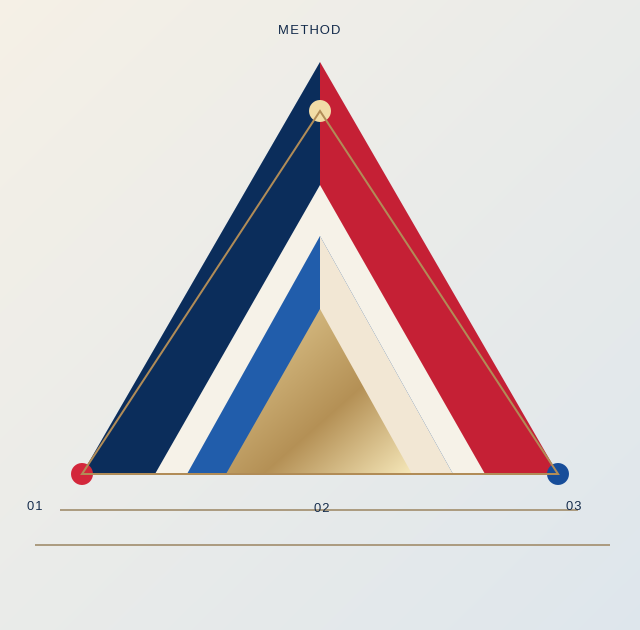
    LEGAL ACCURACY × NARRATIVE IMPACT × MIGRANT IN MOTION

    כך נולדה שיטה.

    Three pillars. One method.

    דיוק משפטי, השפעה נרטיבית והאדם בתנועה — שלושת העקרונות שמכוונים את העבודה.

  7. THE MOZES STORY 07 / 08
    RESEARCH × EDITORIAL × TOOLS

    הידע יוצא אל האור.

    Knowledge, made accessible.

    MOZES LIBRARY צמחה ממחקר, כתיבה ועבודה: מדריכים, מאמרים וכלים שנועדו לעזור להבין.

  8. THE MOZES STORY 08 / 08
    THE PERSON IS THE POINT

    עכשיו מתחיל הסיפור שלכם.

    Your story starts here.

    שמונה פרקים על הדרך שלנו. עכשיו נרצה לשמוע את הסיפור שלכם.

THE BEGINNING · 01

לפני כל תיק יש אדם.

האזנה לפרק בעברית
קריינות סינתטית בעברית: Piper Hebrew Noa, בשילוב ReNikud (CC BY 4.0).

לפעמים סיפור מתחיל במכתב. לפעמים הוא מתחיל בהחלטה של משפחה לעבור מדינה, ברעיון עסקי שגדל מעבר לים, או במחלוקת שאי אפשר עוד לדחות. כשאנחנו פוגשים אדם בפעם הראשונה, אנחנו יודעים שהשאלה המשפטית היא רק שכבה אחת של המציאות שלו.

מאחורי המסמכים יש תמיד חיים שלמים: אנשים שאוהבים, התחייבויות שכבר נוצרו, חלומות שנבנו לאורך שנים ופחד ממשי ממה שעלול להשתבש. לכן נקודת המוצא שלנו איננה טופס, סעיף חוק או שם של מסלול. אנחנו מתחילים בשיחה. קודם מבררים מה האדם מבקש להשיג, מה כבר התרחש, ואילו נסיבות עשויות לשנות את התמונה.

אחר כך מגיע תפקידו של המשפט: להפריד בין אפשרי לרצוי, בין עובדה להנחה ובין הבטחה שאסור לתת לבין דרך שאפשר לבדוק. הסיפור שלנו מתחיל כאן — בהכרה שכל מקרה הוא קודם כול סיפור אנושי, ושדיוק מקצועי דורש לראות את האדם כולו.

האדם אינו הערת שוליים בתיק. הוא נקודת המוצא.

Before the case, the person.

Sometimes a story begins with a letter. Sometimes it begins with a family deciding to cross a border, a business idea taking shape abroad, or a conflict that can no longer be postponed. When someone first comes to our office, we know the legal question is only one layer of their reality.

Behind every document is a larger life: people who matter, commitments already made, years of preparation, and the very real uncertainty of what might happen next. Our starting point is therefore not a form, a statutory provision, or the name of a visa category. It is a conversation. We first seek to understand the person's objective, what has already happened, and which circumstances could change the analysis.

Only then does legal work begin to draw the necessary distinctions: what is possible, what is desirable, what is a fact, and what still requires proof. Our story starts with a simple conviction: every matter is first a human story, and professional precision requires seeing the whole person.

The person is not a footnote to the file. The person is the starting point.

THE FIRST CROSSING · 02

המסע שהתחיל ב־1979.

האזנה לפרק בעברית
קריינות סינתטית בעברית: Piper Hebrew Noa, בשילוב ReNikud (CC BY 4.0).

בשנת 1979 היגר אברהם (אבי) מוזס־כרמל עם הוריו מישראל לארצות הברית. זהו הפרק האישי שמעניק משמעות מיוחדת לעבודתו בהווה: המעבר בין מדינות איננו רק מעבר גיאוגרפי. הוא מפגש עם שפה חדשה, עם מערכות שונות, עם ציפיות חברתיות ועם השאלה היכן וכיצד אדם מרגיש שייך.

שנים אחר כך פנה אבי ללימודי משפטים בארצות הברית, למחקר וללימודי ניתוח ויישוב סכסוכים. הוא רכש השכלה משפטית אמריקאית, ובישראל הוא מחזיק ברישיון לעריכת דין. החיבור בין המדינות הוא עבורו לא סמל שיווקי, אלא מקור לשאלות מקצועיות: מה משתנה כשהמסמך עובר ממערכת אחת לאחרת? מה מתפספס בתרגום תרבותי? ואיך מבהירים לאדם את ההבדלים בלי ליצור אשליה של ודאות?

המסע הזה מלמד אותנו כי מעבר גבול עשוי לשנות מעמד משפטי, אך אינו מוחק זהות, קשרים או עבר. הכרת העולם שממנו אדם מגיע חשובה להבנת הדרך שאליה הוא מבקש לצאת.

כדי להבין מעבר בין מדינות, צריך להבין גם את מה שנשאר מאחור.

A journey across two worlds.

In 1979, Abraham (Avi) Mozes-Carmel moved from Israel to the United States with his parents. That personal chapter gives special meaning to his work today. Crossing a border is never merely geographical. It can mean entering a different language, a different institutional culture, and a new set of expectations about identity and belonging.

Years later, Avi pursued legal education in the United States and advanced research in conflict analysis and resolution. He holds an Israeli license to practice law; his American academic qualifications and his Israeli professional licensing are distinct. The intersection of these worlds is not a marketing symbol. It raises practical questions: what changes when a document moves between systems, what gets lost in cultural translation, and how do we explain those differences without promising certainty?

This journey reminds us that a legal status can change at a border, but a person's history, relationships, and identity do not disappear. Understanding the world someone comes from helps us better understand the path they hope to take.

To understand a crossing, one must also understand what remains behind.

THE LEGAL MIND · 03

משפט. מחקר. אדם.

האזנה לפרק בעברית
קריינות סינתטית בעברית: Piper Hebrew Noa, בשילוב ReNikud (CC BY 4.0).

ד״ר אברהם מוזס־כרמל בא אל המשפט דרך כמה עולמות של ידע: משפטים, מחקר, ניתוח סכסוכים וחשיבה ניהולית. התפיסה שהתפתחה מתוך המפגש ביניהם מתחילה בשאלה פשוטה אך תובענית: האם אנחנו מבינים באמת את המצב שלפנינו — או רק מזהים את הכותרת המשפטית שלו?

החוק מציב כללים וגבולות. המחקר מלמד לשאול מה עומד מאחורי העמדות המוצהרות, מה מניע את הצדדים, אילו עובדות ניתנות לאימות ואילו הנחות צריך לערער. בהגירה, בעסקים ובדיני משפחה, כל אלה אינם תוספת רגשית לניתוח המשפטי. הם חלק מההבנה של האופן שבו אנשים פועלים בתוך מערכות מורכבות.

התוצאה היא לא ניסיון להחליף דין בסיפור משכנע. להפך: לבנות ניתוח שמכבד את הדין, יודע לזהות אי־ודאות, ומתייחס בזהירות לטענה, לראיה ולהשלכות האפשריות שלה. אנחנו מאמינים ששאלות טובות הן אחד הכלים המקצועיים החשובים ביותר שיש לעורך דין.

המשפט הוא המסגרת. המחקר מרחיב את שדה הראייה.

Law. Research. Humanity.

Dr. Abraham Mozes-Carmel approaches law through several disciplines: legal study, research, conflict analysis, and management thinking. The perspective that emerges from their intersection begins with a demanding question: do we truly understand the situation in front of us, or have we only recognized its legal label?

Law establishes rules and boundaries. Research invites us to look beneath stated positions, examine incentives, distinguish verifiable facts from assumptions, and understand how people act within complex systems. In immigration, business, and family matters, these are not sentimental additions to legal analysis. They are relevant dimensions of the factual and human context.

The purpose is never to substitute a compelling story for the applicable law. It is the opposite: to build an analysis that respects legal requirements, acknowledges uncertainty, and treats every claim, piece of evidence, and possible consequence with care. We believe that asking better questions is among the most valuable skills a lawyer can bring to a case.

Law provides the framework. Research expands the field of vision.

TWO PERSPECTIVES · 04

שתי נקודות מבט. שפה אחת.

האזנה לפרק בעברית
קריינות סינתטית בעברית: Piper Hebrew Noa, בשילוב ReNikud (CC BY 4.0).

מאחורי השפה של הפירמה עומד מפגש בין שני סוגי חשיבה. ד״ר אבי מוזס־כרמל מביא את עולם המשפט, המחקר והשאלות המורכבות. ארז רתם רקח מביא ניסיון בעריכה, בעיתונות, בניהול תוכן ובפיתוח הרעיון המערכתי. בין שני העולמות נוצרה שיחה מתמשכת: לא רק מה נכון לומר, אלא מה צריך לבדוק לפני שאומרים אותו, ואיך מציגים מורכבות בלי לאבד את האדם שקורא.

החיבור הזה לא נולד כדי להפוך הליך משפטי לסיפור יפה. הוא נועד להפוך חומר מסועף לתמונה בהירה ואחראית. עובדות אינן מתחזקות מפני שמנסחים אותן היטב; הן מתחזקות כשמוצאים להן בסיס, מבינים את ההקשר שלהן ומציגים אותן באופן מדויק.

כך התגבשה שפת עבודה משותפת — משפטית ומערכתית, אנליטית ואנושית. היא נוכחת במסמכים, במחקר, בתכנון ובמאמרים. במקום הפרדה בין 'עבודה משפטית' לבין 'סיפור', אנחנו מבקשים שכל אחת תדרוש מהאחרת יותר אחריות, בהירות ועומק.

לא רק לדעת את החוק. גם לדעת כיצד להאיר את המציאות.

Two perspectives. One shared language.

The firm's voice emerged from the meeting of two ways of thinking. Dr. Avi Mozes-Carmel brings the disciplines of law, research, and complex problem-solving. Erez-Rotem Rokach brings a background in journalism, editing, content leadership, and the development of the firm's editorial vision. Their ongoing dialogue asks not only what should be said, but what must be checked before it is said, and how complexity can be made understandable without losing sight of the reader.

This connection was not created to turn legal proceedings into a beautiful narrative. It was created to make complicated material clearer and more responsible. Facts do not become stronger because they are beautifully written. They become stronger when properly grounded, contextualized, and accurately presented.

A shared language began to take shape: legal and editorial, analytical and human. It informs documents, research, plans, and publications. Rather than separating legal work from the art of explanation, we want each discipline to demand greater rigor, clarity, and depth from the other.

Not only to know the law, but to illuminate the reality it addresses.

EVIDENCE & NARRATIVE · 05

לשמוע. לבדוק. לדייק.

האזנה לפרק בעברית
קריינות סינתטית בעברית: Piper Hebrew Noa, בשילוב ReNikud (CC BY 4.0).

כמעט בכל תיק יש פער בין הסיפור שאדם מספר לעצמו, האופן שבו הוא מתאר אותו למישהו אחר, והמידע שהמערכת יכולה לבדוק. הפער הזה אינו בהכרח סימן לבעיה: לעיתים הוא פשוט תוצאה של חיים מורכבים ושל מסמכים שנאספו בזמנים שונים, למטרות שונות.

העבודה מתחילה בהקשבה ובמיפוי: מה קרה, מתי, מי היה מעורב, אילו מסמכים קיימים, ומה חסר. לאחר מכן מגיעה הבדיקה — לאמת עובדות, לזהות סתירות, להבחין בין השערה לידיעה ולעמת את התמונה עם הכללים הרלוונטיים. רק על בסיס כזה אפשר לבנות הסבר מסודר שמתאים לנמען שלו: לקוח, רשות, שותף עסקי או גורם שיפוטי.

אנחנו קוראים לזה אחריות נרטיבית. לא יצירת דרמה ולא הבטחת תוצאה, אלא כבוד לעובדות ולדרך שבה מציגים אותן. סיפור מדויק אינו מסתיר את החלקים הקשים; הוא עוזר להבין מה משמעותם ואילו שאלות עדיין פתוחות.

הנרטיב לא מחליף ראיות. הוא מעניק להן סדר ומשמעות.

Listen. Verify. Build.

In almost every matter, there is a gap between the story a person tells themselves, the way they explain it to someone else, and the information an institution can verify. That gap does not necessarily signal a problem. More often, it reflects complex lives and records created at different times for different purposes.

Our work begins with listening and mapping: what happened, when, who was involved, which records exist, and what is still missing. Verification comes next. We check facts, identify contradictions, distinguish assumptions from knowledge, and test the picture against the relevant legal rules. Only on that foundation can information be organized for its intended reader: a client, an authority, a business partner, or a decision-maker.

We think of this as narrative responsibility. Not drama, and never a promise of outcome, but respect for facts and the way they are presented. An accurate account does not conceal difficult details. It makes them understandable and identifies the questions that remain open.

Narrative does not replace evidence. It gives evidence structure and meaning.

THE MOZES METHOD · 06

כך נולדה שיטה.

האזנה לפרק בעברית
קריינות סינתטית בעברית: Piper Hebrew Noa, בשילוב ReNikud (CC BY 4.0).

עם הזמן התגבשה דרך העבודה לכדי מסגרת שאפשר להסביר, לבקר ולשכלל: THE MOZES METHOD. זו אינה נוסחה שמבטיחה אישור, ניצחון או תוצאה מסוימת. זו מחויבות לאופן שבו ניגשים לשאלות, מסמכים ואנשים.

הנדבך הראשון הוא דיוק משפטי — Legal Accuracy: לברר את הדין הרלוונטי, את התנאים ואת העובדות בלי קיצורי דרך. השני הוא השפעה נרטיבית — Narrative Impact: לארגן את העובדות והראיות באופן בהיר, שקוף ומותאם לנמען. השלישי הוא האדם בתנועה — Migrant in Motion: לזכור שההליך מתקיים בתוך חיים המשתנים בזמן, ולעיתים גם בין מדינות, משפחות ועסקים.

לצד שלושת העקרונות נבנו כלי עבודה משלימים: MOZES FILE לארגון ראיות, MOZES BLUEPRINT לתכנון, MOZES BRAND להצגת הנרטיב, MOZES INTERVIEW להכנה לשיחה קונסולרית, ו־THE WHITE BOOK למסגרות תכנון עסקי מבוססות מידע. כל כלי נועד לשרת את הבחינה המקצועית — לא להחליף אותה.

שיטה טובה אינה מבטיחה תוצאה. היא משפרת את איכות השאלות והעבודה.

Three pillars. One method.

Over time, our working approach developed into a framework that can be explained, examined, and refined: THE MOZES METHOD. It is not a formula for approval, victory, or any predetermined result. It is a commitment to how we approach questions, documents, and people.

Its first pillar is Legal Accuracy: identify the applicable law, requirements, and facts without shortcuts. The second is Narrative Impact: organize evidence and explanations in a clear, truthful form suited to the intended reader. The third is Migrant in Motion: remember that a legal procedure takes place inside a life that continues to change, sometimes across countries, families, and businesses.

These principles are supported by practical frameworks: MOZES FILE for evidence organization, MOZES BLUEPRINT for strategy, MOZES BRAND for narrative development, MOZES INTERVIEW for consular preparation, and THE WHITE BOOK for evidence-based business planning. Each tool is meant to support professional judgment, never to replace it.

A good method cannot promise outcomes. It can improve the quality of inquiry and work.

MOZES LIBRARY · 07

הידע יוצא אל האור.

האזנה לפרק בעברית
קריינות סינתטית בעברית: Piper Hebrew Noa, בשילוב ReNikud (CC BY 4.0).

כאשר מחקר נותר רק במגירה או בתוך תיק, הוא עוזר למי שכבר הגיע לשולחן. רצינו ליצור גם מקום עבור מי שנמצא לפני החלטה, שעדיין אינו יודע מה לשאול, או שמבקש להבין עולם מקצועי לפני שהוא נכנס אליו.

מכאן צמחה MOZES LIBRARY — מיזם מערכתי שמחבר מחקר, עריכה והנגשת ידע. הספרייה מתפתחת באמצעות מדריכים, מאמרי BRIEF, התבוננות מעמיקה ב־BEYOND, כלים, לקסיקון ותוכן חזותי. היא אינה מבקשת להציג כל נושא כאילו יש לו תשובה פשוטה. להפך: לחשוף את השאלות הנכונות, את המקורות ואת ההבחנות שמסייעות ללמוד בצורה אחראית.

את החזון המערכתי והעריכה מוביל ארז רתם רקח לצד הידע המשפטי והמחקרי של ד״ר מוזס־כרמל. כך מקבלת העבודה היומיומית צורה נוספת — ציבורית, פתוחה ומזמינה. הספרייה אינה תחליף לייעוץ משפטי פרטני; היא הזמנה לחשוב, לבדוק ולהתחיל להבין.

ידע אמיתי אינו מתרחק מן הציבור. הוא פותח בפניו דלת.

Knowledge, made accessible.

When research stays inside a file or a desk drawer, it mainly helps people who have already reached the table. We wanted to create something for those standing at an earlier crossroads: people who do not yet know what to ask, or who want to understand a professional landscape before entering it.

MOZES LIBRARY grew from that ambition. It is an editorial project connecting research, careful writing, and public access to knowledge. The developing library brings together guides, BRIEF articles, long-form perspectives in BEYOND, tools, a lexicon, and visual storytelling. It does not pretend every question has a simple answer. It seeks to expose better questions, useful sources, and distinctions that matter.

Erez-Rotem Rokach leads the editorial vision and publishing work alongside Dr. Mozes-Carmel's legal and research perspective. Everyday professional inquiry gains another form: public, open, and inviting. The library is not a substitute for individualized legal advice. It is an invitation to think, investigate, and begin to understand.

Meaningful knowledge should not stand apart from people. It should open a door.

YOUR STORY STARTS HERE · 08

עכשיו מתחיל הסיפור שלכם.

האזנה לפרק בעברית
קריינות סינתטית בעברית: Piper Hebrew Noa, בשילוב ReNikud (CC BY 4.0).

המסע שלנו התחיל בשאלות על בית, שייכות, זהות והאפשרות לעבור בין עולמות. הוא התפתח דרך משפט, מחקר, עיתונות, ניהול והקשבה. עם הזמן נולדה ממנו שיטת עבודה, ונבנתה ספרייה שמזמינה אנשים לראות את התמונה הרחבה.

אבל כל אלה אינם המטרה הסופית של הסיפור. הם הדרך שבה אנחנו מתכוננים למפגש עם סיפור חדש: אולי משפחה שחושבת על מעבר, יזם שבוחן התרחבות עסקית, זוג שמבקש להסדיר עתיד משותף, או אדם שמנסה למצוא מוצא ממחלוקת. לכל אחד מהם יש הקשר שצריך להבין ונתונים שצריך לבדוק.

אנחנו לא מבטיחים מראש מה תהיה התוצאה או מהו המסלול המתאים. אנחנו מזמינים אתכם להתחיל בשיחה: לספר מה אתם מתכננים, מה מעסיק אתכם, ומה חשוב לכם להשיג. משם אפשר לבחון אם וכיצד המשרד יכול לסייע. עד עכשיו סיפרנו את הסיפור שלנו. עכשיו נשמח להקשיב לשלכם.

Your story starts here.

Our journey began with questions of home, belonging, identity, and the experience of moving between worlds. It evolved through law, research, journalism, management, and listening. Over time, those ideas became a working method and a library designed to open up complex subjects to a wider audience.

Yet none of these is the final destination. They are how we prepare to encounter a new story: a family considering a move, an entrepreneur exploring an international venture, a couple planning a shared future, or a person looking for a constructive way through conflict. Each brings a different context, different facts, and different questions.

We cannot promise a result or select a legal path before reviewing the circumstances. What we can offer is a place to begin. Tell us what you are planning, what concerns you, and what matters most. Together, we can explore whether and how the firm may be able to help. You have heard our story. Now, we would be glad to hear yours.